What Is Tumbling? A Simple Guide (And Why It Still Matters Today)
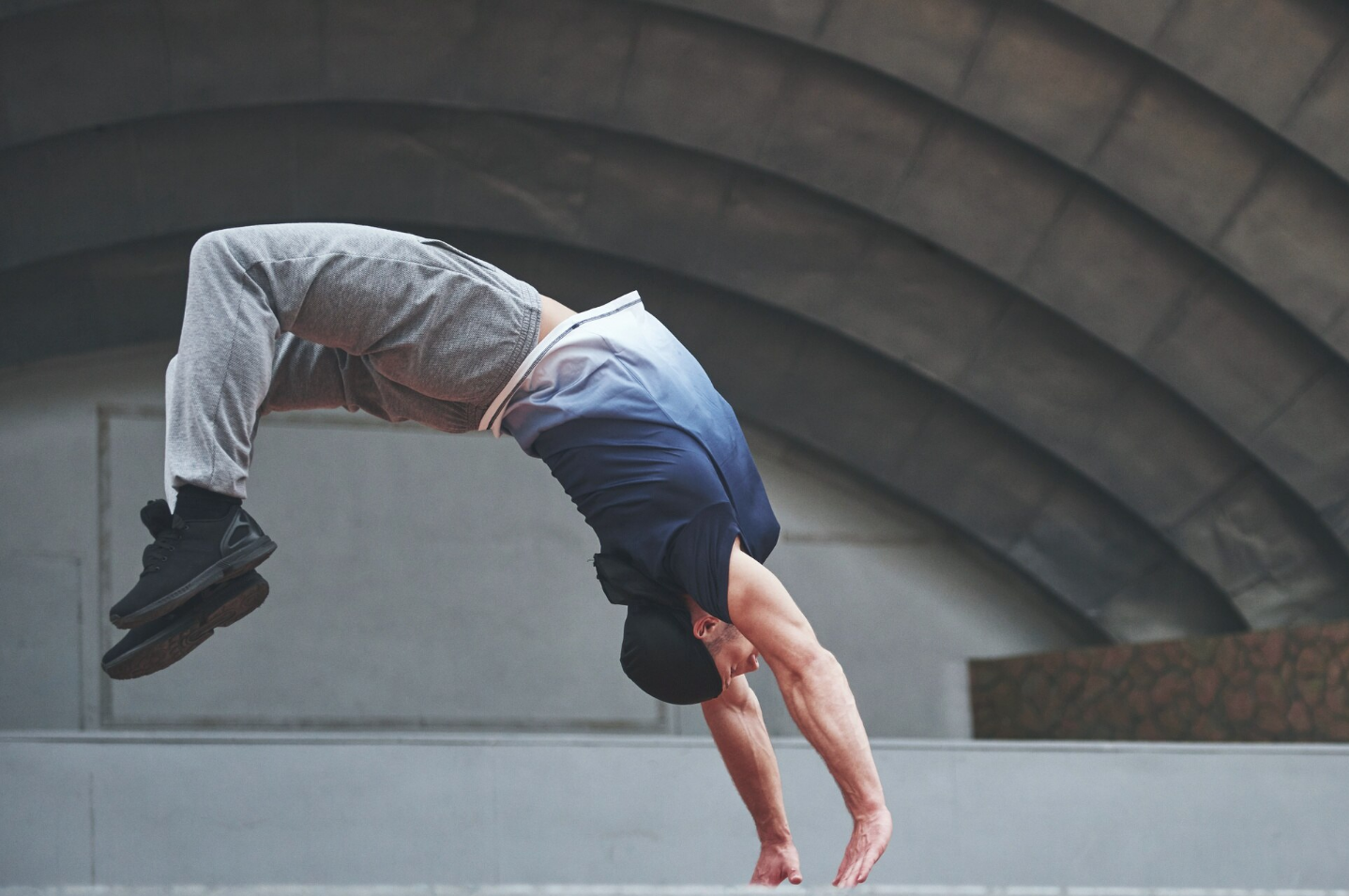
If you’ve ever watched a gymnast flip across a mat, a cheerleader throw a back handspring, or even an athlete move explosively through space with control, you’ve seen tumbling in action,even if you didn’t realize it at the time. Tumbling is one of those skills that shows up everywhere in sports and movement, but most people don’t fully understand what it actually is or why it matters.
At its core, tumbling is the ability to move your body through a series of controlled, acrobatic motions, things like rolls, cartwheels, handsprings, and flips. It combines strength, coordination, balance, timing, and body awareness all at once. Unlike traditional strength training or running, tumbling requires you to control your body in motion, often upside down, often moving quickly, and often relying on both power and precision at the same time. That’s what makes it so unique, it’s not just about being strong or fast, it’s about being able to control your body in space.
The roots of tumbling go back much further than most people think. Forms of acrobatic movement were practiced in ancient civilizations, including China, Greece, and Egypt, where performers would incorporate flips, rolls, and balance-based movements into ceremonies and entertainment. Over time, these movements evolved into structured disciplines, eventually becoming part of early gymnastics systems in Europe during the 18th and 19th centuries. What started as performance and entertainment slowly transitioned into organized sport.
As modern athletics developed, tumbling became a foundational element in gymnastics, eventually earning its own place in competitive formats. Floor routines in artistic gymnastics are one of the most well-known examples, where athletes combine tumbling passes with choreography, strength, and precision. Over time, tumbling also became a standalone discipline, with athletes focusing purely on explosive passes down a spring track, showcasing speed, power, and technical skill.
But tumbling didn’t stay confined to gymnastics. As sports evolved, its influence spread into other areas. Cheerleading adopted tumbling as a core component, turning it into a high-energy display of flips, handsprings, and synchronized movement. Martial arts incorporated tumbling-style movements for agility and evasiveness. Even sports like football and parkour began to reflect elements of tumbling through dynamic body control and explosive movement patterns.
What makes tumbling so valuable, especially today, is how transferable it is. It builds a foundation that carries over into nearly every physical activity. Athletes who develop tumbling skills often have better coordination, stronger core stability, improved balance, and a higher level of body awareness. They’re more comfortable moving in different directions, reacting quickly, and controlling their body under pressure. It’s not just about performing tricks, it’s about developing control.
For kids, this is especially important. Tumbling teaches them how to understand their body in space at an early age. It builds confidence as they learn new skills, and it creates a sense of accomplishment when they master movements that once felt impossible. It also keeps them engaged, because it doesn’t feel repetitive or boring. Every movement is slightly different, and every improvement feels noticeable.
That’s also why modern training environments are starting to evolve beyond traditional setups. Instead of isolating movements like tumbling on a mat alone, newer approaches combine those principles with more dynamic, obstacle-based environments. This allows kids and athletes to apply similar skills, like coordination, balance, and body control, in more interactive and engaging ways.
This is exactly where Amped Obstacles comes into play.
Opening soon, Amped Obstacles is bringing a new kind of movement experience to Grand Prairie. While it’s not a traditional gymnastics facility, it builds on many of the same principles that make tumbling so valuable. Kids will be climbing, swinging, balancing, and navigating obstacles that challenge their coordination, strength, and body awareness in real time. Instead of practicing movements in isolation, they’ll be applying them in a way that feels natural, exciting, and constantly changing.
In many ways, it’s an evolution of the same idea. The goal isn’t just to perform a skill, it’s to move better, react faster, and build confidence through movement. And because the environment is so engaging, kids stay involved longer, push themselves further, and develop skills without it ever feeling like structured training.
Tumbling has been around for centuries, evolving from ancient performance to modern sport, and its value hasn’t changed. It’s still one of the most effective ways to build control, coordination, and confidence. But as new training environments continue to emerge, those same benefits are being delivered in new and exciting ways.
And in Grand Prairie, that next step is arriving soon.
a New Way to Build Movement Skills
Amped Obstacles is opening soon, bringing a high-energy, interactive environment where kids can develop coordination, strength, and confidence through movement.
🔥 Built for real-world athletic development
🔥 Designed to keep kids engaged and active
🔥 A completely new experience for Grand Prairie families
👉 If your child loves to move, climb, and explore…
Be ready for Amped Obstacles.
