When Should My Daughter Start Gymnastics? A Parent’s Guide to Getting Started
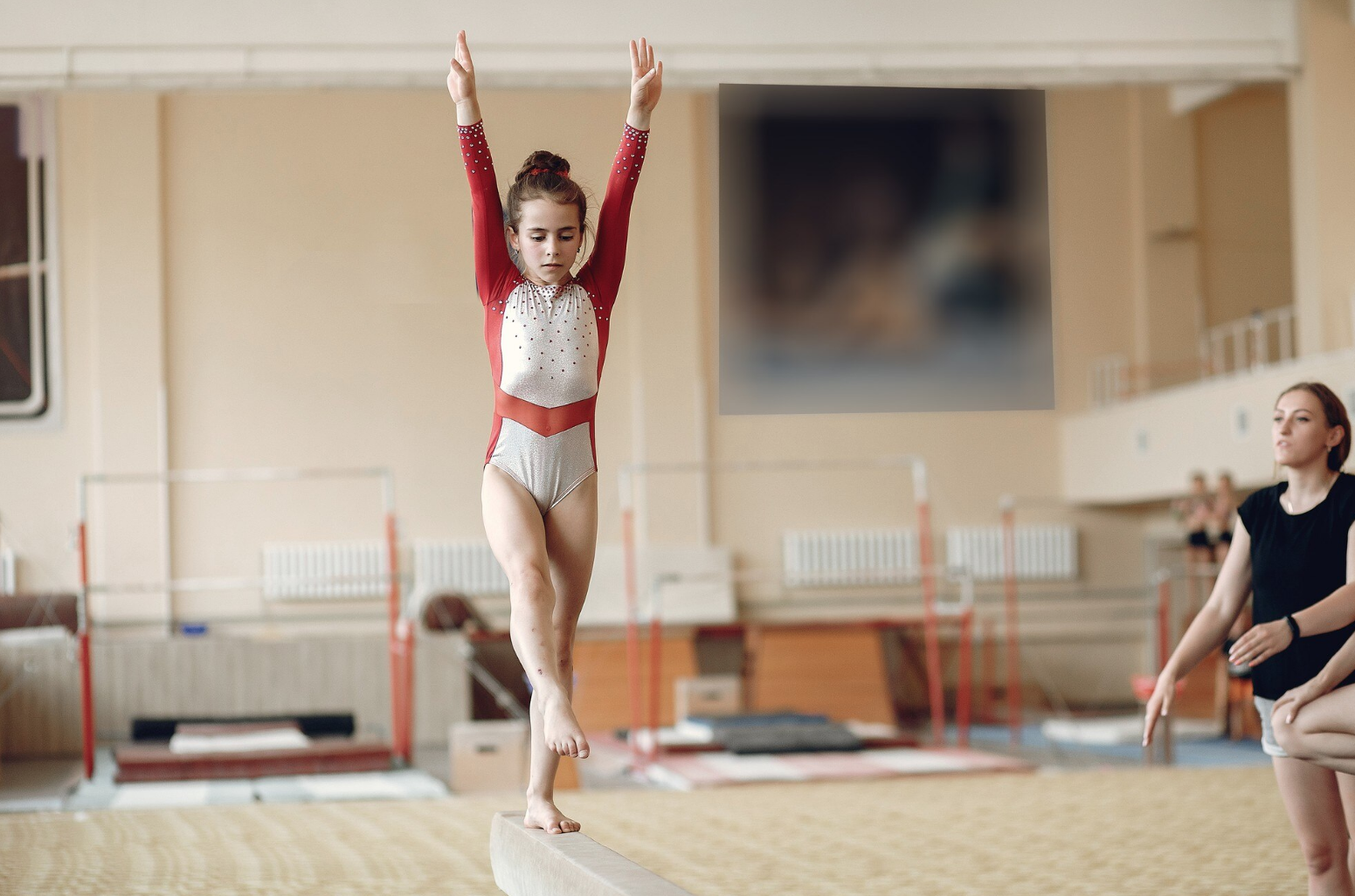
When Should My Daughter Start Gymnastics?
If your daughter is constantly jumping off the couch, attempting cartwheels, hanging from playground equipment, balancing on everything she can find, or asking to learn flips, you may be wondering:
When should my daughter start gymnastics?
The short answer is that there isn't one perfect age.
Children can begin age-appropriate introductory gymnastics and movement activities when they're very young. But starting later does not automatically mean your daughter has missed her opportunity.
The right time depends on her age, maturity, interests, goals, and the type of gymnastics experience you're looking for.
Can Toddlers Start Gymnastics?
Yes.
Many gymnastics programs offer parent-and-child or preschool-style movement classes for toddlers.
At this age, however, parents shouldn't expect serious competitive gymnastics training.
The emphasis should be on developmentally appropriate activities involving movement, coordination, balance, body awareness, listening, and having fun.
USA Gymnastics describes preschool gymnastics as an opportunity for children to develop physical and motor fitness while also supporting cognitive and social development.
For a toddler, the question isn't:
"How quickly can she become a gymnast?"
It's:
"Does she enjoy moving and learning?"
What About Ages 3-5?
The preschool years can be a great time to introduce more structured movement.
Children may begin learning foundational concepts involving:
Balance
Jumping and landing
Rolling
Body positions
Coordination
Flexibility
Following instructions
Basic gymnastics movements
The environment should still be fun and age-appropriate.
A four-year-old doesn't need to train like a teenager.
At this stage, developing a positive relationship with physical activity can be more important than rushing toward advanced skills.
Is Age 6-8 Too Late to Start Gymnastics?
Absolutely not.
For recreational gymnastics, ages 6, 7, and 8 can still be excellent ages to begin.
Children at this age may have an easier time understanding coaching instructions and can begin developing more structured skills.
If your daughter is eight and suddenly announces:
"I want to do gymnastics!"
Don't assume she should have started at three.
Let her try it.
Her goals matter.
There's a major difference between wanting to enjoy recreational gymnastics and pursuing the highest levels of elite competition.
Can a 9, 10, or 11 Year-Old Start Gymnastics?
Yes.
Older beginners can still learn gymnastics.
Your daughter may want to develop:
Cartwheels.
Handstands.
Tumbling.
Strength.
Flexibility.
Balance.
Body control.
Or she may simply want a new activity.
Starting later can even have some practical advantages. An older child may understand instructions better, have greater body awareness, and be able to communicate when something feels uncomfortable.
She shouldn't be discouraged simply because other children started younger.
What If My Daughter Is Already a Teenager?
She can still start.
This is where separating participation from elite competition becomes especially important.
If a 13-year-old has never done gymnastics and wants to become an Olympic gymnast, that's obviously a very different situation from a teenager who wants to learn tumbling, improve strength, become more coordinated, or enjoy recreational gymnastics.
You don't need Olympic aspirations to benefit from learning new physical skills.
And children shouldn't be made to feel that physical activities are only worth doing if they can become elite competitors.
Does My Daughter Need to Be Flexible Before Starting?
No.
That's a little like saying:
"Should my child learn to read before starting school?"
You enroll to learn and develop.
A beginner shouldn't be expected to arrive already possessing advanced gymnastics abilities.
The same applies to strength.
Your daughter doesn't need to already be exceptionally strong, flexible, coordinated, or athletic.
A good beginner program should meet her at an appropriate starting point.
What If She's Scared?
Some hesitation is normal.
Gymnastics can involve unfamiliar movements.
Going upside down can feel strange.
Balancing can feel intimidating.
Jumping from something can require confidence.
A quality coach should respect that.
Children can be encouraged to challenge themselves without being pressured into attempting skills they aren't prepared to perform safely.
Progress might look like:
"I don't want to try that."
Then:
"I'll try the easier version."
Then:
"Can I do it again?"
That's progress too.
Recreational vs. Competitive Gymnastics
Parents should understand this distinction early.
Recreational Gymnastics
Recreational programs are generally designed around learning skills, physical development, progression, and enjoyment without requiring the commitment associated with competitive teams.
This can be an excellent fit for a child who simply enjoys gymnastics.
Competitive Gymnastics
Competitive gymnastics involves progressively greater commitments to training, skill development, competition, and scheduling.
If your daughter becomes interested in competition, talk with qualified gymnastics coaches about her individual development and appropriate pathway.
You don't need to decide her entire athletic future when signing her up for her first class.
Let her experience the activity first.
What Are the Benefits of Gymnastics for Kids?
Gymnastics can expose children to a wide range of physical skills.
The sport can challenge:
Strength
Balance
Coordination
Flexibility
Agility
Body awareness
Jumping and landing
Upper-body control
Core strength
These qualities can also provide a useful movement foundation for other activities and sports.
But there is another benefit parents shouldn't overlook:
Learning how to learn physical skills.
A child attempts something.
Receives coaching.
Makes an adjustment.
Practices.
Improves.
Then progresses to something harder.
That process extends far beyond gymnastics.
Does Gymnastics Help With Other Sports?
The movement foundation developed through gymnastics may complement participation in other sports.
A young athlete who develops balance, coordination, strength, landing ability, body control, and spatial awareness is developing physical qualities that can be useful across many activities.
Your daughter could eventually become interested in:
Cheer.
Dance.
Volleyball.
Track.
Diving.
Pole vault.
Tumbling.
Ninja Warrior.
Obstacle sports.
Or something completely different.
Early childhood doesn't necessarily need to be about identifying one sport and specializing forever.
It can be about learning to move.
Should Girls Specialize in Gymnastics Early?
This deserves some caution.
Starting an activity young and specializing exclusively in it are not the same thing.
The American Academy of Pediatrics has cautioned against premature sports specialization and excessive training loads in young athletes, emphasizing diversification, appropriate rest, and developmentally appropriate participation.
If your daughter loves gymnastics, that's great.
But more training isn't automatically better training.
Children need recovery, appropriate progression, and room to be children.
How Do I Know If My Daughter Is Ready?
Rather than focusing exclusively on her birthday, look at the child in front of you.
Ask:
Is she interested?
Does she enjoy climbing, jumping, balancing, or tumbling?
Can she participate in an age-appropriate group environment?
Can she listen to basic coaching instructions?
Does the program have an appropriate beginner level?
Does the environment prioritize safety and progression?
Most importantly:
Does she want to go?
That last question matters.
What Should I Look for in a Beginner Program?
Don't choose a program solely because it promises rapid advancement.
Look for qualified coaching, age-appropriate instruction, safe equipment, appropriate progressions, manageable class sizes, and an environment where children can learn without being pushed beyond their readiness.
Ask what a typical beginner class looks like.
Ask how coaches progress skills.
Ask how children are grouped.
Ask what happens if your daughter is afraid to attempt something.
Those answers can tell you a lot about the program.
What If My Daughter Likes Gymnastics Movements but Wants Something Different?
Gymnastics isn't the only activity that develops body control.
Some children love climbing, hanging, swinging, jumping, balancing, tumbling, and learning physical skills, but don't necessarily connect with traditional gymnastics.
That's okay too.
There are other movement-based sports.
And one of them is Ninja Warrior.

Try Ninja Warrior Classes at Amped Obstacles
If your daughter enjoys the physical challenges associated with gymnastics but gets especially excited about climbing, swinging, balancing, jumping, agility, grip challenges, and obstacle courses, bring her to Amped Obstacles in Grand Prairie, TX.
Our coached Ninja Warrior classes give kids an opportunity to develop obstacle skills while working on qualities such as strength, coordination, balance, agility, grip, and body control.
It can be a great standalone activity or another movement experience for children who enjoy gymnastics, tumbling, cheer, climbing, or other sports.
Amped Obstacles
2626 Aero Dr.
Grand Prairie, TX 75052
Let Her Try It First
You don't have to know whether Ninja Warrior will become her sport.
Let her experience it.
New youth athletes can inquire about a FREE trial class at Amped Obstacles.
If she loves it, we'll help you find the appropriate class and continue building from there.
Sometimes the best age to start is simply the age when your child becomes excited to try.
Relevant Articles:
What Classes Do You Have to Take for Early Childhood Development? (Grand Prairie, TX Guide)
Best After School Activities in Grand Prairie, TX (2026 Parent Guide)
Services at Amped Obstacles:
⭐️Ninja Warrior Classes (Kids, Teens, Adults)
⭐️Corporate/ Team Building Events
⭐️HYPERVOLT Percussion Massage Therapy & Recovery Sessions
⭐️Adult Obstacle Course Private Training
Location
2626 Aero Dr, Grand Prairie, TX 75052
We’re just minutes from major attractions and rapidly growing developments, including:
EpicCentral
Epic Waters Indoor Waterpark
The Epic Recreation Center
Bolder Adventure Park
Grand Prairie Premium Outlets
Topgolf Grand Prairie
The Landing by Tiffany Derry
Asia Times Square
This puts Amped Obstacles right alongside some of the most popular destinations families are already visiting, making it a perfect stop for a full day of fun and activity.
